If you eat halal, you’ve probably hit this moment: a menu says “halal,” but you’re not sure what that actually covers. Is the meat certified? Just sourced from a halal supplier? Is the whole kitchen halal, or only one dish? The word gets used loosely — so here’s a clear, no-spin breakdown of halal-sourced vs. halal-certified, and how to tell what you’re really getting.
First, what “halal” means
“Halal” simply means permissible under Islamic law. For meat, that generally means the animal was raised and slaughtered according to specific requirements, with no pork and no alcohol involved. Where restaurants differ is in how they prove it — and how much of the kitchen it actually covers.
Halal-sourced
Halal-sourced means the meat is bought from suppliers who provide halal product. The restaurant is trusting its supply chain — the farm, the processor, the distributor — to deliver genuinely halal meat, and passing that on to you.
This is legitimate and common. Its strength comes down to the supplier relationships and the kitchen’s own discipline: a place that uses only halal meat, with no pork or alcohol on-site, has far less that can go wrong than a kitchen juggling both.
Halal-certified
Halal-certified goes one step further: an independent, third-party body audits the business and formally certifies it. That certification usually covers the supply chain — and sometimes the handling and preparation on-site — and it’s renewed on a schedule.
Certification is a trust upgrade: an outside stamp rather than a self-declaration. It’s especially reassuring in kitchens that also handle non-halal items, where the risk of cross-contamination is real.
So which should you trust?
Both can be legitimate. What actually matters is less the label and more the specifics:
- Is the whole kitchen halal, or just some items? A fully halal kitchen — no pork, no alcohol anywhere — has nothing to cross-contaminate. That’s a bigger deal than most people realise.
- Will they name their supplier or certifier? A place that’s confident about its sourcing will tell you.
- Are the claims consistent across their website, Google, and the delivery apps?
- Is the language specific? “100% halal, chicken only” beats a vague “we have halal.”
If you want the longer version of what to look for when eating out, we wrote a whole guide: The Vancouver Halal Food Guide.
Where Kaji Glaze stands — plainly
We’d rather tell you exactly what we are than overclaim:
- 100% halal kitchen. Every item, every day. There is no pork and no alcohol anywhere in our kitchen, so there’s nothing to cross-contaminate.
- Chicken only. One protein, done properly — seven signature glazes spanning Korean gochujang, Korean BBQ and teriyaki to Nashville hot.
- Halal-sourced. Our chicken comes from halal suppliers.
- Not yet third-party certified — and we’ll say so. Certification is a trust upgrade we’re actively working toward. Until then, we’re transparent about being halal-sourced rather than certified, because we’d rather earn your trust honestly.
That’s the whole point of a fully halal, chicken-only kitchen: you can order anything on the menu with confidence, no side-questions required.
Taste the difference
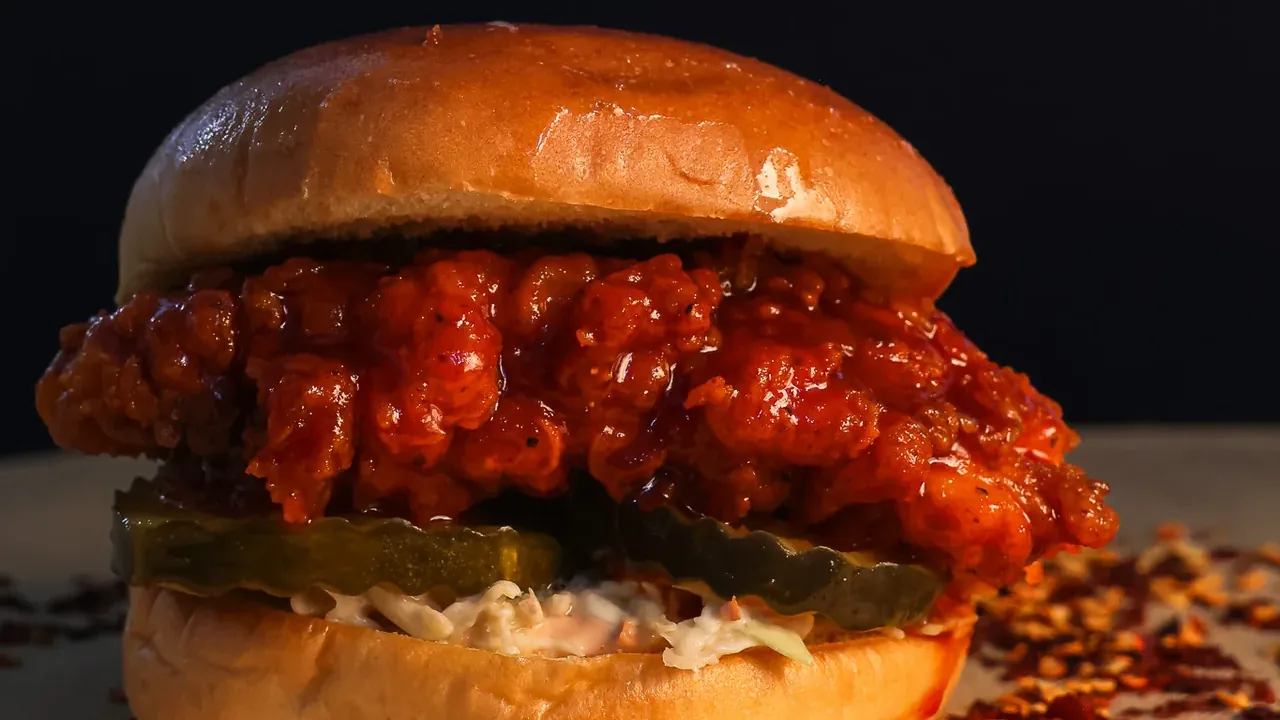
Curious what halal heat done right tastes like? Start with our chicken burgers & wings or the Korean Gochujang Deluxe, then order online for pickup — or find us on Uber Eats, DoorDash and Fantuan across Metro Vancouver. New to the style? Here’s what Nashville hot chicken actually is.
Real halal. Real heat. No overclaiming.